
Custom 3D Printing Services
Precise, efficient, and tailored to your specifications. Transform your idea into a real product using our custom 3D printing services. Experience rapid and quality 3D printing solutions for all your prototyping needs.
- Parts delivered in as little as 24 hours
- Over 45 material and finishing options
- A single partner from prototype to production
- 96.4% on-time and complete delivery rate
Custom 3D Printing Services
Precise, efficient, and tailored to your specifications. Transform your idea into a real product using our custom 3D printing services. Experience rapid and quality 3D printing solutions for all your prototyping needs.
- Parts delivered in as little as 24 hours
- Over 45 material and finishing options
- A single partner from prototype to production
- 96.4% on-time and complete delivery rate
Capabilities for 3D Printing Services
Explore quality-focused 3D printing service that provides industry-grade solutions for quality, durability, and precision across various materials and designs.
SLA Printing
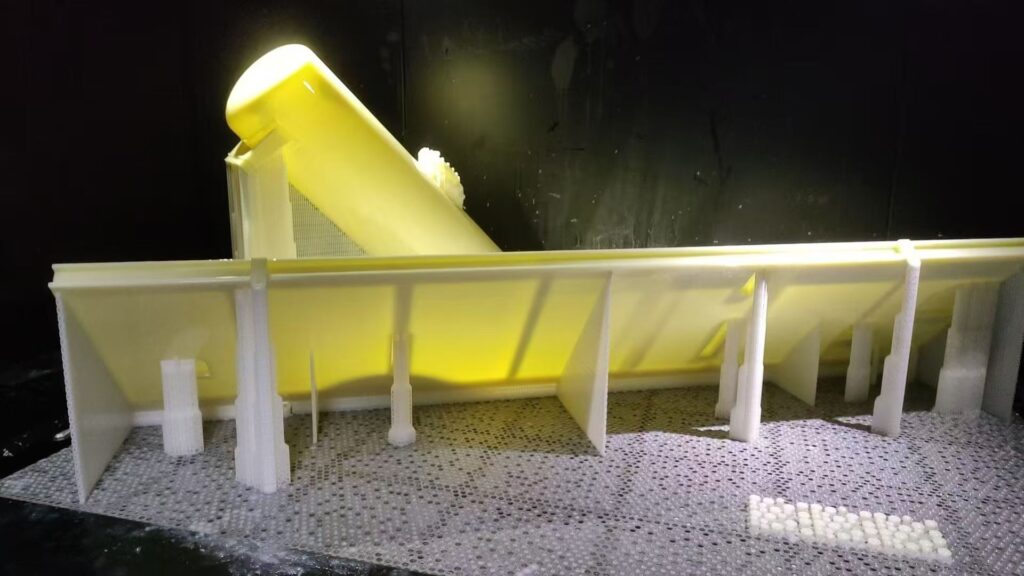
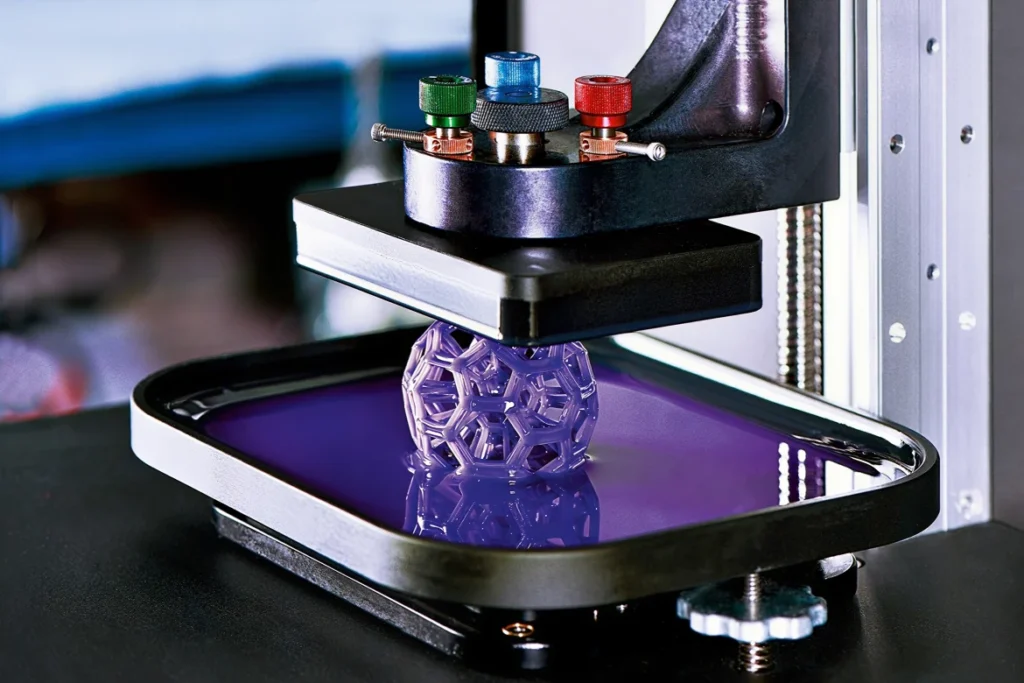
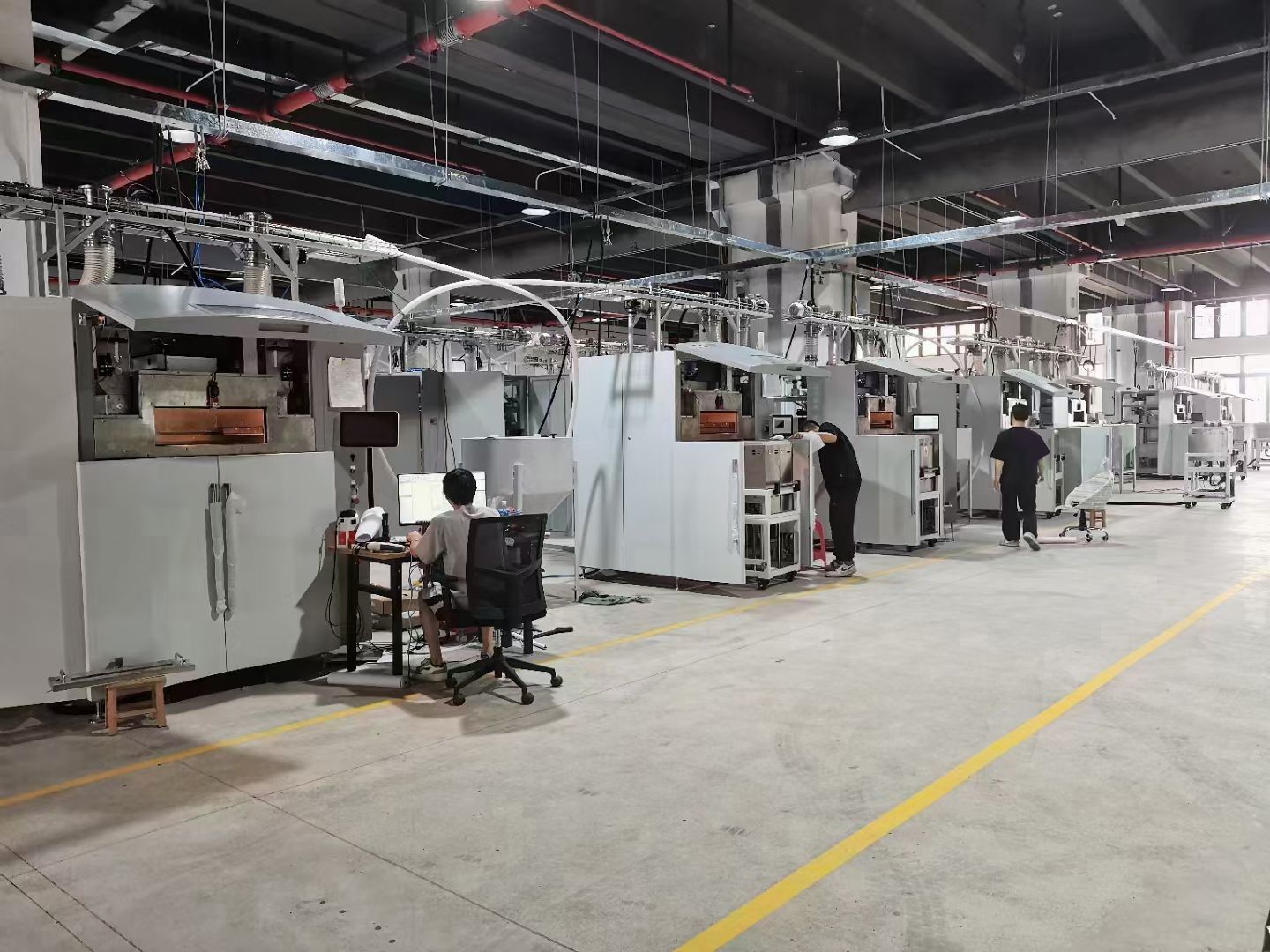
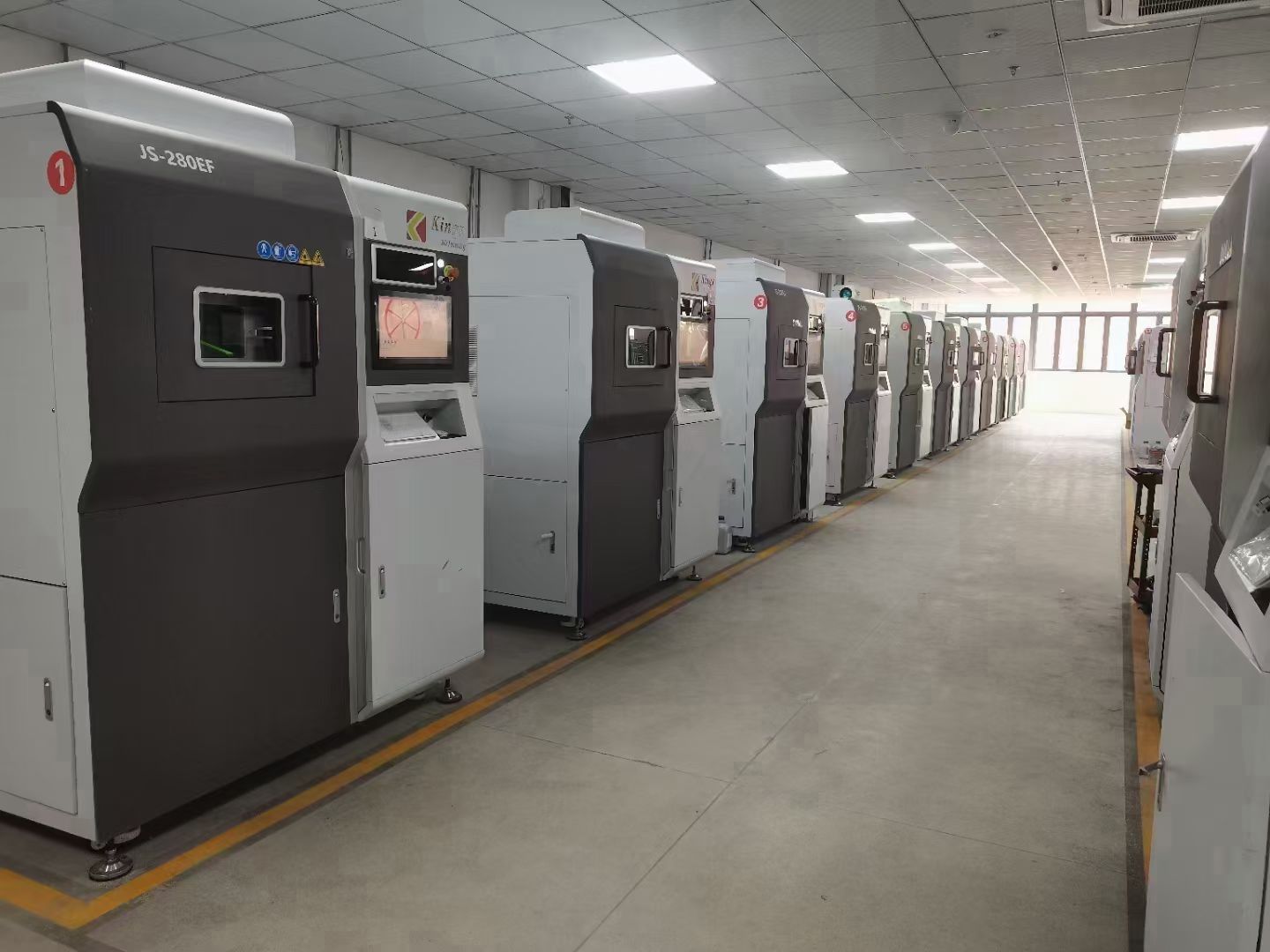
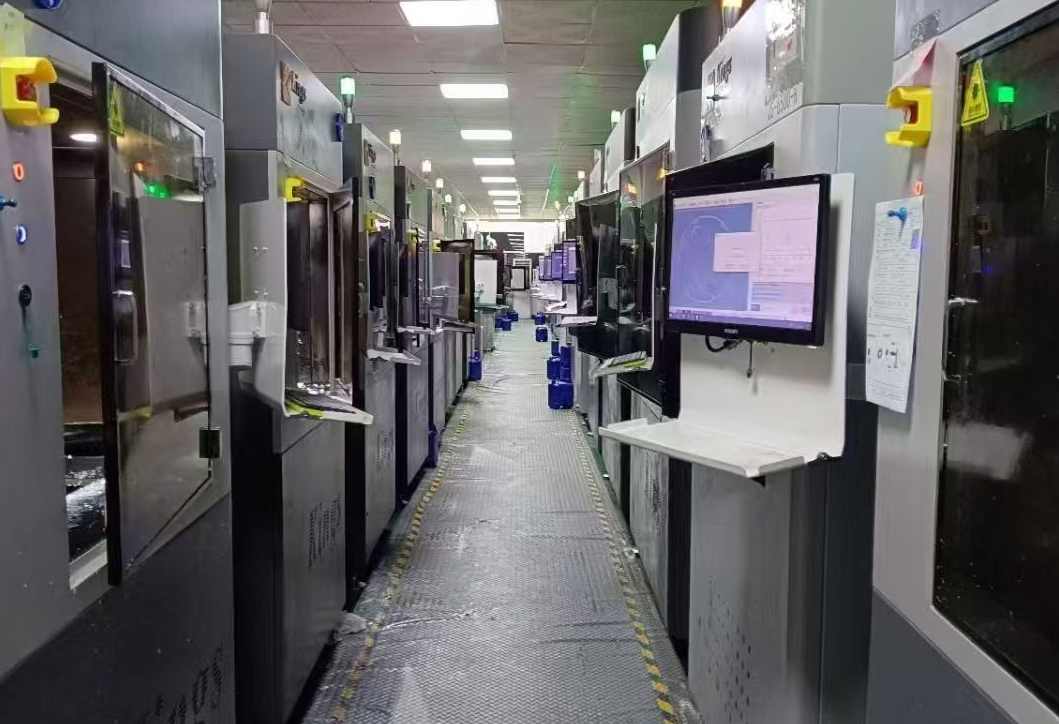
Stereolithography (SLA) uses UV lasers to cure photopolymer resin, creating high-resolution, detailed parts with smooth finishes, ideal for rapid prototyping in industries requiring fine accuracy, like medical manufacturing. We use UnionTech SLA650 and SLA800 printers, offering build sizes up to 780×770×549 mm, with a total of 20 machines (8 SLA650 and 12 SLA800).
SLS Printing
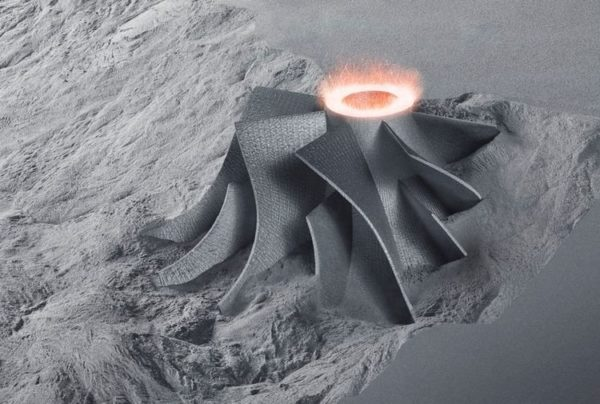
Selective Laser Sintering (SLS) uses a laser to fuse powdered materials, creating functional prototypes with complex geometries, ideal for automotive and aerospace industries. Our SLS printing is powered by EOS machines, featuring a build volume of 320×320×590 mm, with a total of 10 printers.
MJF Printing
Multi Jet Fusion (MJF) creates strong, detailed parts with smooth surfaces, offering fast and efficient 3D printing for prototyping and small-batch production. We utilize HP MJF printers, supporting a build size of 380×280×380 mm, with a total of 5 machines.
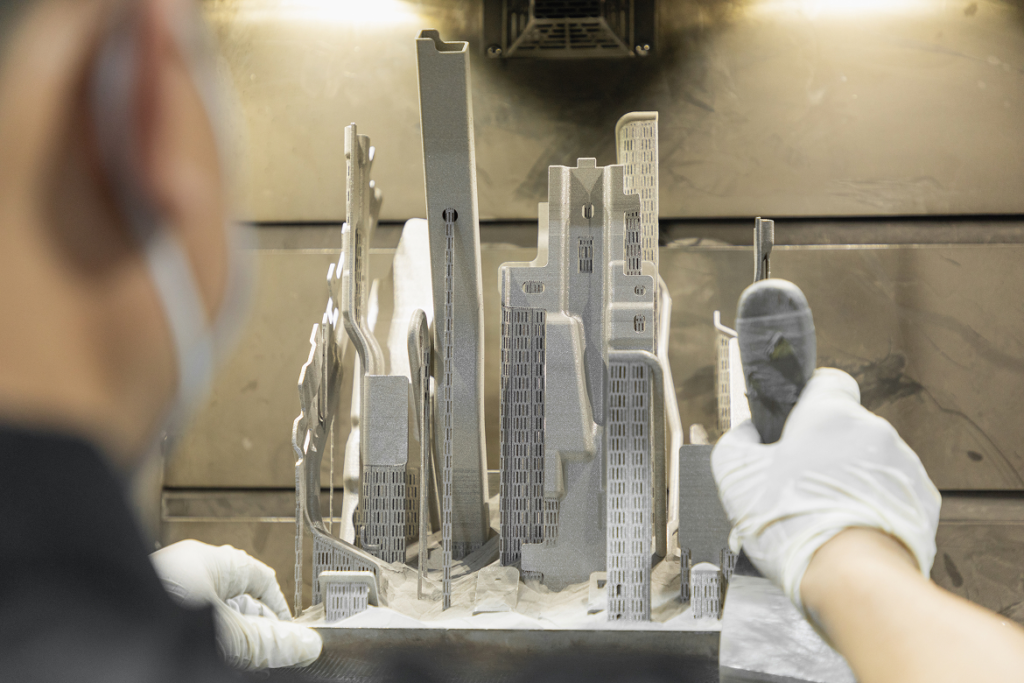
SLM Printing
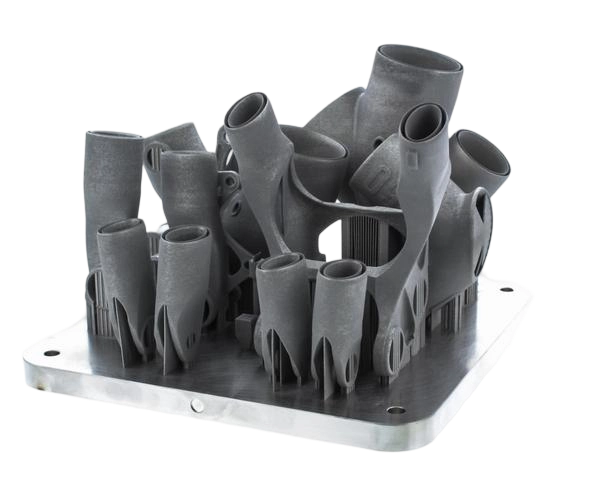
Selective Laser Melting (SLM) fuses metal powders to produce strong, lightweight parts, ideal for aerospace, defense, and medical industries. Our SLM printing is handled by BLT machines, with a build volume of 280×280×350 mm, and we have 5 machines in operation.
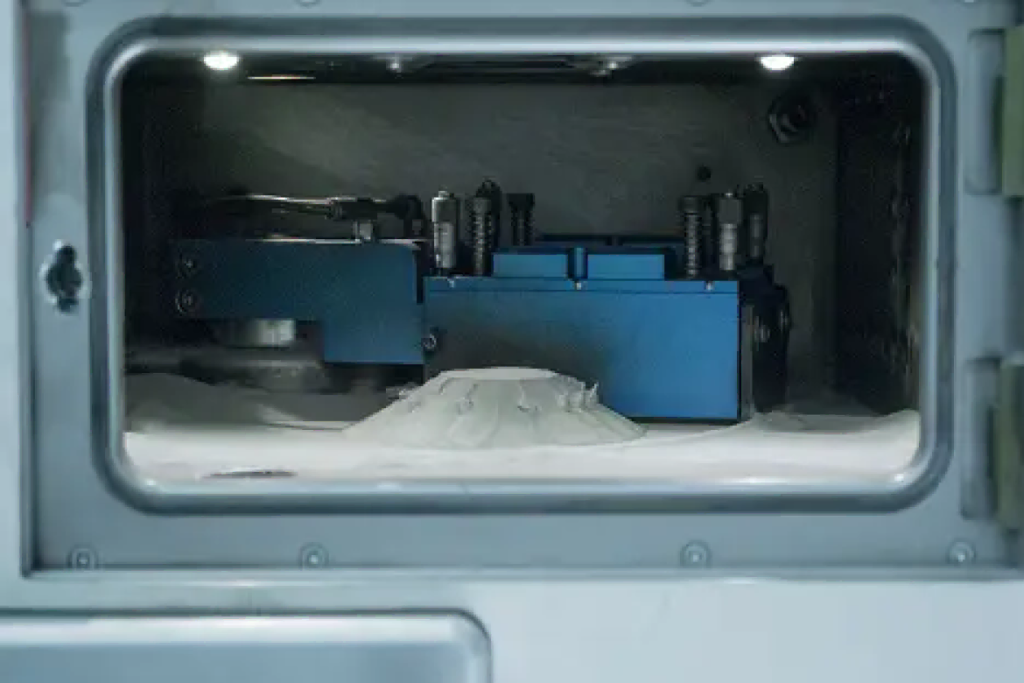
DLP Printing
Digital Light Processing (DLP) uses a digital light projector to cure photopolymer resin layer by layer, enabling high-speed production of highly detailed and precise parts. It is well-suited for applications requiring fine features, such as dental and jewelry manufacturing. We use Red Wax DLP printers, supporting a build size of 192×108×200 mm, with a total of 3 machines.
Aluminum
Aluminum has a silvery-grey finish that can be anodized for aesthetic appeal, It strikes a balance between strength and versatility and is suitable for functional and aesthetic parts.
Color: Silvery-grey
Price: Moderate to high due to material costs
Surface: Smooth or polished, can be anodized for enhanced aesthetics
Build Time: Medium, due to layer-by-layer precision
Stainless Steel
Stainless steel is corrosion-resistant and strong. It offers a durable solution for long-lasting parts and its matte or polished finish makes it the best option for projects that need both aesthetics and performance.
Color : Silver
Price : High, but cost-effective for durable and long-lasting parts
Surface :Matte or polished, corrosion-resistant
Build Time: :Moderate, as metal requires more intricate printing processes
Cobalt Chrome
Cobalt Chrome is a strong, durable material known for its wear resistance and high corrosion resistance. It is often used in aerospace, medical, and industrial applications for parts requiring excellent strength and longevity.
Color: Silvery-white
Price: High, due to material and processing complexity
Surface: Smooth or polished, often used for functional, high-performance parts
Build Time: Medium to high, depending on part complexity and finish requirements
Inconel
Inconel is a high-performance nickel-chromium alloy known for its excellent resistance to heat and corrosion. It is commonly used in extreme environments like aerospace, turbines, and chemical processing, where durability and high-temperature strength are crucial.
Color:Metallic grey
Price:High, due to material cost and specialized processing
Surface: Smooth or polished, often used for high-performance, functional parts
Build Time: Medium to high, depending on complexity and precision requirements
Titanium
Titanium is a lightweight, corrosion-resistant metal with high strength, making it ideal for applications in aerospace, medical, and marine industries. It has a distinctive metallic finish and is highly durable, even in extreme environments.
Color: Silvery-white
Price: High, due to material cost and processing complexity
Surface:Smooth, polished, or matte; can be anodized for color variations
Build Time: Medium, as it requires careful handling and precision
ABS (Acrylonitrile Butadiene Styrene)
ABS comes in various colors and smooth or matte finishes. This encourages flexibility in design and its build time makes it a popular choice for rapid prototyping.
Color: Various colors such as black, white, and grey
Price: Low, making it an affordable option for prototypes
Surface: Smooth or matte; can be post-processed for a polished finish
Build Time: Fast due to easy material flow
PA (Nylon)
Nylon is tough and durable. It has a textured surface and adaptability for dyeing making it versatile for both practical and aesthetic projects
Color: White, can be dyed
Price: Moderate, excellent for functional parts
Surface: Slightly textured, smooth, or matte
Build Time: Moderate, due to its toughness and durability
Polycarbonate (PC)
Polycarbonate is a durable, transparent plastic known for its high impact resistance and optical clarity. It’s commonly used in products that require both strength and clear visibility, such as lenses, protective covers, and lighting components.
Color: Transparent, can be colored or tinted
Price: Moderate, due to material costs
Surface: Smooth or matte, can be polished for clarity
Build Time:Fast, as it’s easy to mold and shape
Polypropylene (PP)
Polypropylene is a lightweight, flexible plastic with excellent chemical resistance. It’s commonly used in products that need to withstand stress and environmental exposure, such as containers, automotive parts, and household items.
Color: Natural or can be colored
Price: Low, due to cost-effective material
Surface: Smooth or matte; can be textured for grip
Build Time: Fast, due to its ease of processing
TPU (Thermoplastic Polyurethane)
TPU is a flexible, durable material known for its excellent abrasion resistance and elasticity. It’s commonly used in products that require both flexibility and strength, such as phone cases, footwear, and industrial components.
Color: Clear, black, or custom colors
Price: Moderate, depending on hardness and customization
Surface: Smooth or matte; can be textured for improved grip
Build Time:Medium, due to its flexible and durable nature during the printing process
Digital Photopolymer
Digital Photopolymer is a high-resolution resin used in 3D printing, offering precise detail and smooth surfaces. It’s ideal for rapid prototyping and creating fine details in small parts, often used in industries like dental, jewelry, and rapid prototyping.
Color: Transparent, white, or custom colors
Price: Moderate to high, depending on resolution and customization
Surface: Smooth, with options for post-processing to achieve polished finishes
Build Time:Fast, due to quick curing process and high resolution
Get Your Custom 3D Printed Parts Fast
Ready to bring your ideas to life? Contact us today for custom 3D printing solutions tailored to your needs!
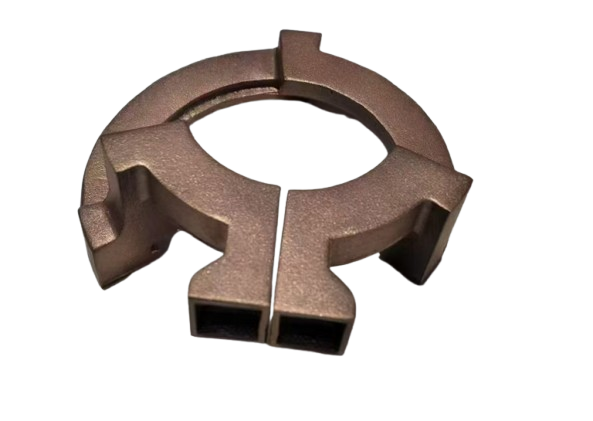
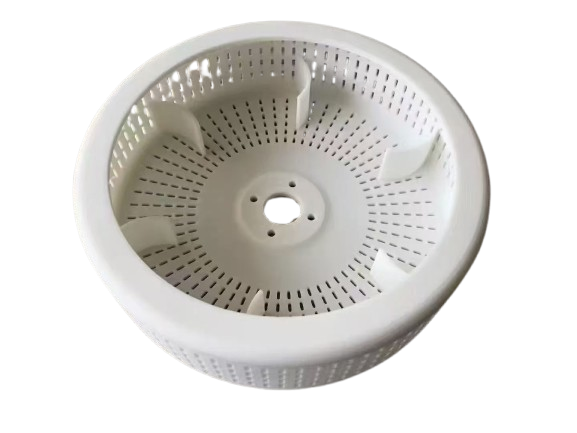
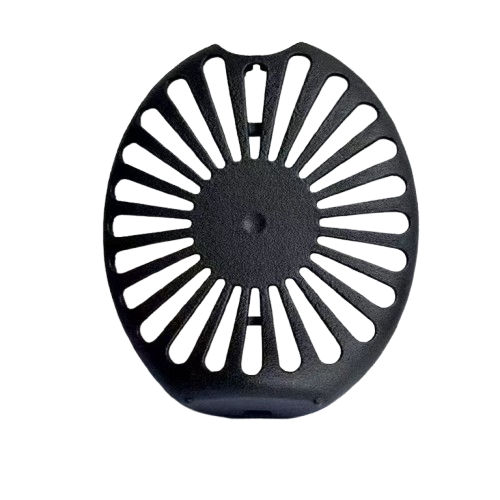
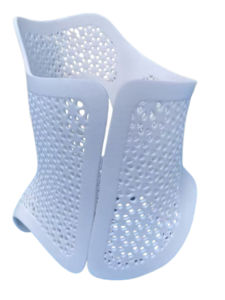
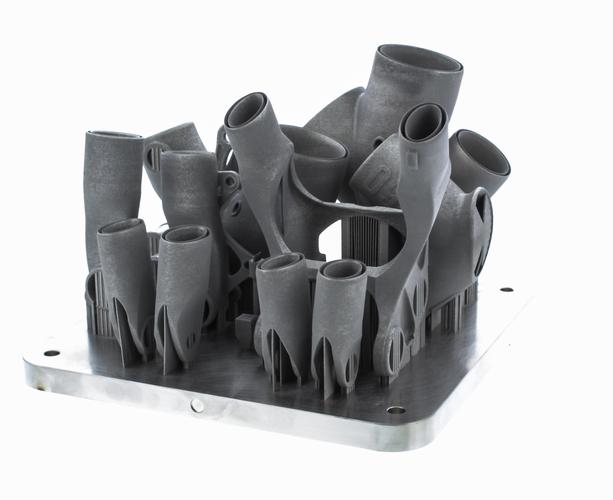
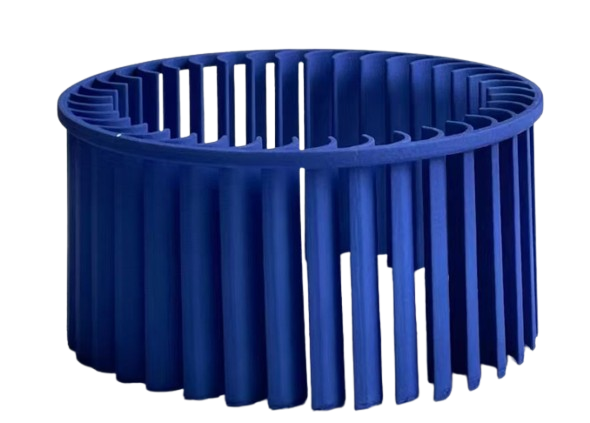
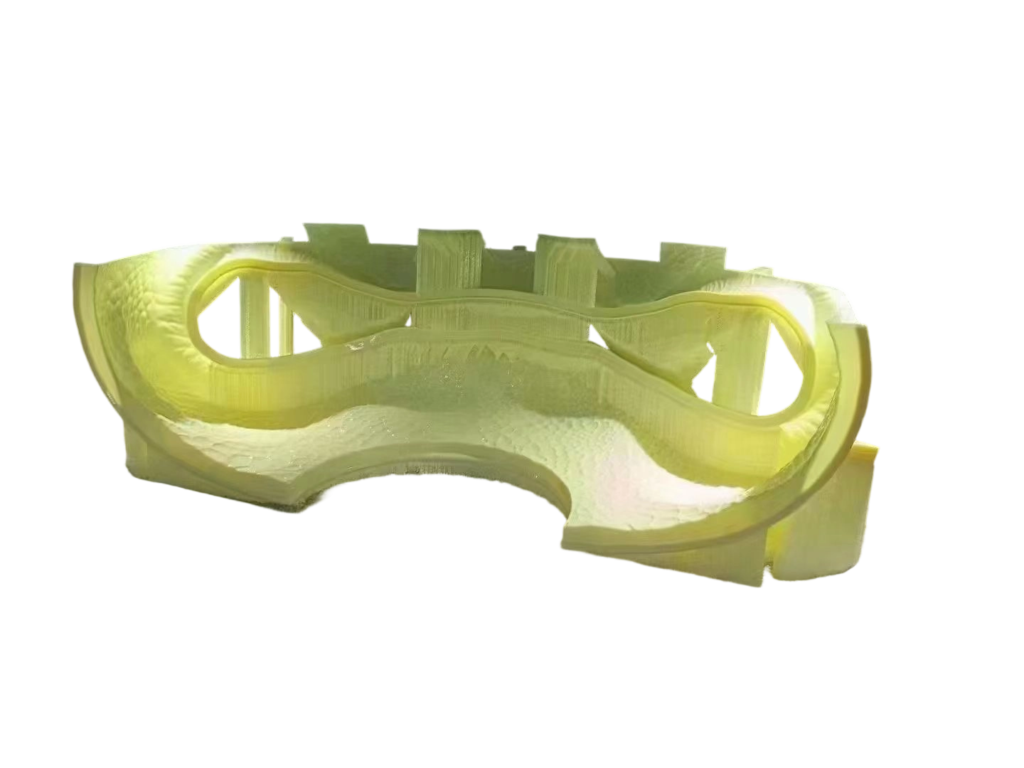
Parts Gallery for Our 3D Printing Services
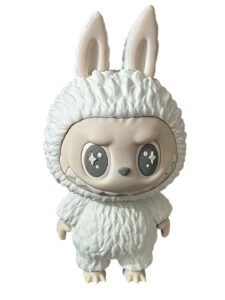
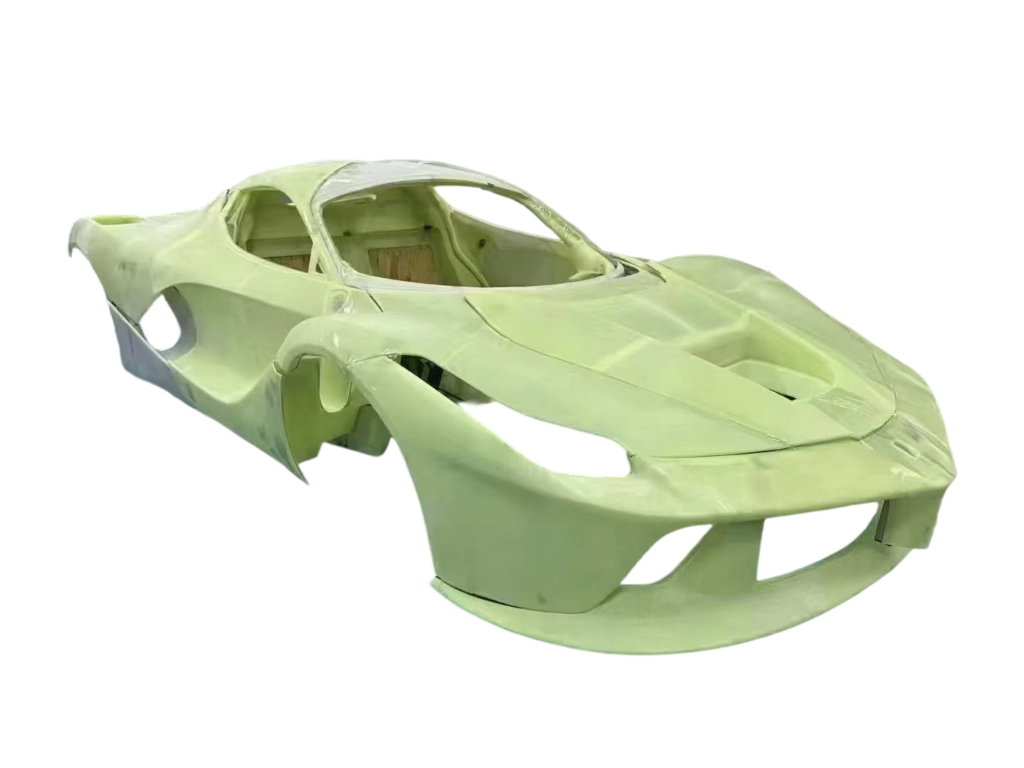
Explore our 3D printed parts gallery to see a wide range of custom designs and high-quality prototypes we’ve created for various industries.
Manufacturing Capabilities for 3D Fabrication Service
Discover our 3D printing manufacturing capabilities, where we combine advanced technology with precision to produce high-quality prototypes and complex parts, tailored to meet your specific needs.
| \ | SLA | MJF | SLS | SLM |
|---|---|---|---|---|
| Min. Wall Thickness | 0.6 mm for unsupported walls, 0.4 mm for supported walls on both sides | At least 1 mm thick; avoid overly thick walls | From 0.7 mm (PA 12) to 2.0 mm (carbon-filled polyamide) | 0.8 mm |
| Layer Height | 25 um to 100 um | Around 80 um | 100 - 120 microns | 30-50um |
| Max. Build Size | 400x700x500 mm | 264x343x348mm | 380x 280x380mm | 320x 320x400mm |
| Dimension Tolerance | ± 0.2 mm (For > 100 mm, apply 0.15%) | ± 0.2 mm (For > 100 mm, apply 0.25%) | ± 0.3 mm (For > 100 mm, apply 0.35%) | ± 0.2 mm (For > 100 mm, apply 0.25%) |
| Standard Lead Time | 4 business days | 5 business days | 6 business days | 6 business days |
FAQs
What industries do you serve with 3D printing?
We cater to automotive, aerospace, healthcare, consumer products, and many other industries.
Can l get someone to 3D print for me?
Yes, many 3D printing services offer printing for individuals, handling everything from design to production.
What is the typical lead time for 3D printing services?
You can have a 3D printed parts in as fast as 1 day. However, the lead times still depends on the project requirements and the capability of the 3D printing service.
Project requirements that affect the lead time include part size and complexity and choice of material while factors related to the 3D printing service include the production capability.
For most 3D printing projects, the time of production ranges from 2 to 5 business days. Large orders of parts with complex geometries will take longer.
What file formats do you accept for 3D printing?
iBest Proto accepts the following CAD file formats:
- STL
- OBJ
- STEP, and
- IGES.
What is the difference between SLA and SLS printing?
SLA printing involves using a laser to cure liquid resin. On the other hand, SLS printing involves using a laser to fuse powdered material to create the 3D printed part.
How accurate are 3D-printed parts?
3D printing is highly accurate with a tolerance of 0.2 mm to 0.3 mm and is comparableto CNC machining.
Nevertheless, the accuracy of the process depends on the printing technology andmaterial used. Additionally, using post-processing touches can alter the tolerance of thefinal part.
Can 3D printing be used for end-use production parts?
Yes, 3D printing can produce functional end-use parts. It is not only a rapid prototyping process, it is also a low volume manufacturing process.
You can use 3D printing to work with metals or strong plastic polymers like ABS and nylon.
What are the finishing options for 3D-printed parts?
iBest Proto offer the following finishing options which can improve functional and/or aesthetics properties.
- Polishing
- Painting
- Anodizing (for metals)
- Sandblasting.
Can I order multiple parts in one go?
3D printing is highly accurate with a tolerance of 0.2 mm to 0.3 mm and is comparableto CNC machining.
Nevertheless, the accuracy of the process depends on the printing technology andmaterial used. Additionally, using post-processing touches can alter the tolerance of thefinal part.
What is the cost of 3D printing services?
We offer competitive pricing which makes iBest Proto one of the best place to print your parts.
Nevertheless, the cost of production also depends on the workpiece material, complexity, and production volume.